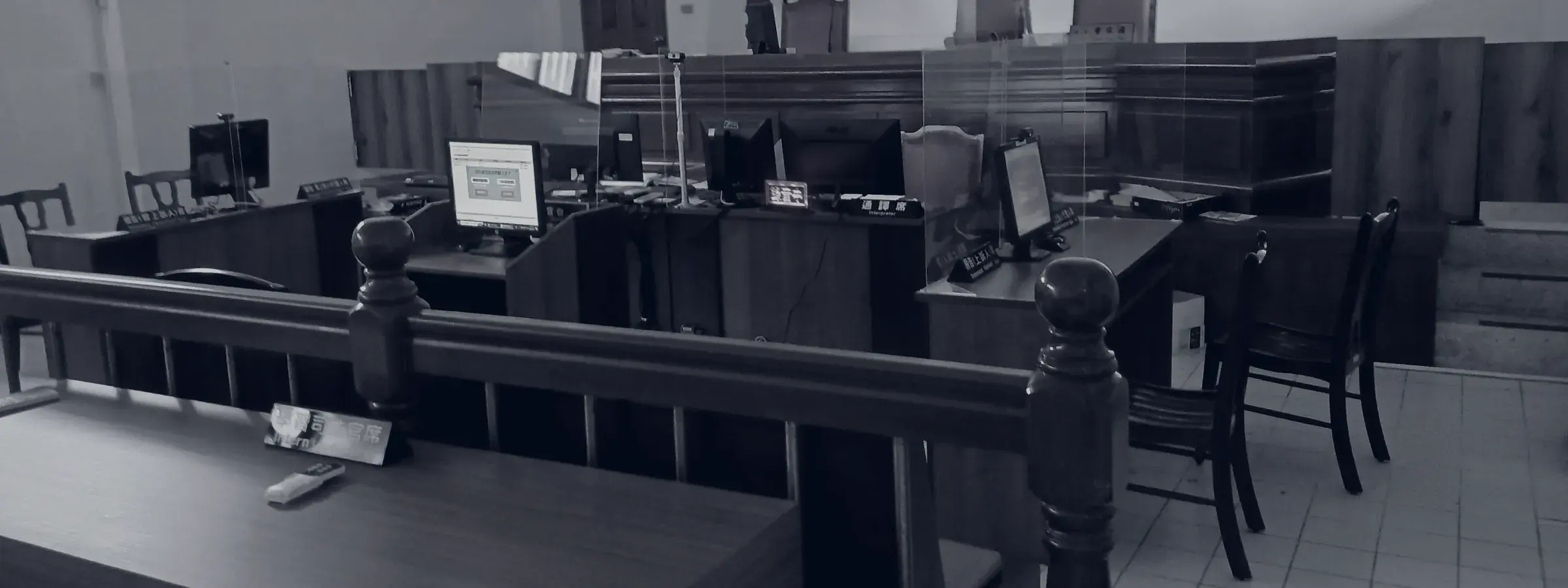
The Domestic Violence Prevention Act covers more than spouses. Civil protection orders may be ordinary, temporary or emergency orders, and applications are free of court fees. If a court finds imminent danger on an emergency application, it must issue a written order within four hours under Article 16(4). Breaching the specified protection-order terms listed in Article 61 may constitute a separate criminal offense. If you face immediate danger, call 110; the free 113 Protection Hotline provides 24-hour support.
Who counts as a family member?
Under Article 2(1), domestic violence includes physical, psychological or economic harassment, control, coercion or other unlawful harm among family members. Article 3 covers present or former spouses; people who now or formerly cohabited or had a household-member relationship; present or former lineal blood relatives; and present or former collateral blood relatives within the fourth degree.
It also covers the spouses of those blood relatives within the fourth degree, the spouse's blood relatives within the fourth degree and those relatives' spouses, whether the relationship exists now or existed before, as well as the minor children of the people listed. Former spouses and cohabiting partners may therefore be covered; a current marriage is not required.
What are the three kinds of protection order?
Article 9 distinguishes ordinary, temporary and emergency civil protection orders. An ordinary order follows court consideration. Temporary and emergency orders can be issued without a hearing under Article 16(1). On an emergency application, if statements to the court establish imminent danger of domestic violence, Article 16(4) requires a written emergency order within four hours of receipt; the court may send it to police by fax or other technology.
Who can apply, where, and at what cost?
A victim may apply to court for an ordinary or temporary order. A legal representative or a blood relative or relative by marriage within the third degree may apply for a minor, a person with a disability, or someone unable for other reasons to appoint a representative. Prosecutors, police and local competent authorities may also apply (Art. 10(1)–(2)). Application, cancellation, amendment, extension and appeal carry no court fee (Art. 10(3)). Jurisdiction generally lies with the district court of the victim's residence, the respondent's residence, or the place of violence (Art. 11).
Applications are generally written. Where the victim faces imminent danger, a prosecutor, police agency or local authority may request an emergency order orally, by fax or with other technology, including at night or on a day off (Art. 12).
What can an order require, and how long does it last?
If, after the hearing, the court finds that domestic violence occurred and an order is necessary, it must issue an ordinary protection order, on application or on its own initiative, containing one or more of the Article 14(1) measures. These include prohibiting violence or unwanted contact; requiring the respondent to leave a residence or keep a distance from a home, school or workplace; allocating use of essential property; setting temporary arrangements for minor children; requiring a treatment program or specified costs; and other protective measures. The actual terms must be read in the court's order. An ordinary order lasts up to two years. Before expiry, it can be cancelled, amended or extended, with each extension up to two years (Art. 15). Apart from emergency orders, issued orders must be sent to the parties, victim and police within 24 hours (Art. 18).
Is “domestic violence crime” a separate offense?
No. Article 2(2) uses the term for intentional domestic violence among family members that constitutes an offense under another law, such as bodily injury or threats. Police must arrest a person caught in the act of a domestic-violence crime; Article 29 also sets conditions for urgent compelled appearance where serious suspicion and imminent danger of further harm are present.
Which violations of an order are criminal?
Article 61 makes breach of specified court-ordered terms a separate offense carrying up to three years' imprisonment or short-term detention and/or a fine of up to NT$100,000. Listed terms include bans on violence or unwanted contact, moving out, staying away from places, completing a treatment program, and specified orders concerning a victim's intimate images. Breach of another kind of term, such as a child-contact arrangement, does not automatically constitute this particular offense; read the order and Article 61 together.
違反法院依第十四條第一項、第十六條第三項……所為之下列裁定者,為違反保護令罪,處三年以下有期徒刑、拘役或科或併科新臺幣十萬元以下罰金:一、禁止實施家庭暴力。二、禁止騷擾、接觸、跟蹤、通話、通信或其他非必要之聯絡行為。三、遷出住居所。四、遠離住居所、工作場所、學校或其他特定場所。五、完成加害人處遇計畫。(家庭暴力防治法第61條,節錄)
Unofficial English summary (not an official translation): Domestic Violence Prevention Act Article 61 punishes violation of specified protection-order terms, including bans on violence or contact and certain place restrictions, with up to three years' imprisonment or short-term detention, and/or a fine of up to NT$100,000.
When should I seek advice?
Consider advice if you are unsure which order to request, believe one has been violated, or face overlapping criminal, divorce or child-related proceedings. In immediate danger, call 110 first. This page is general information, not individual legal advice.
Hotline: Ministry of Health and Welfare, 113 Protection Hotline ↗.